






Tiny Teacup Yorkie Puppy: A Complete Guide to These Adorable Yorkshire Terriers
Introduction
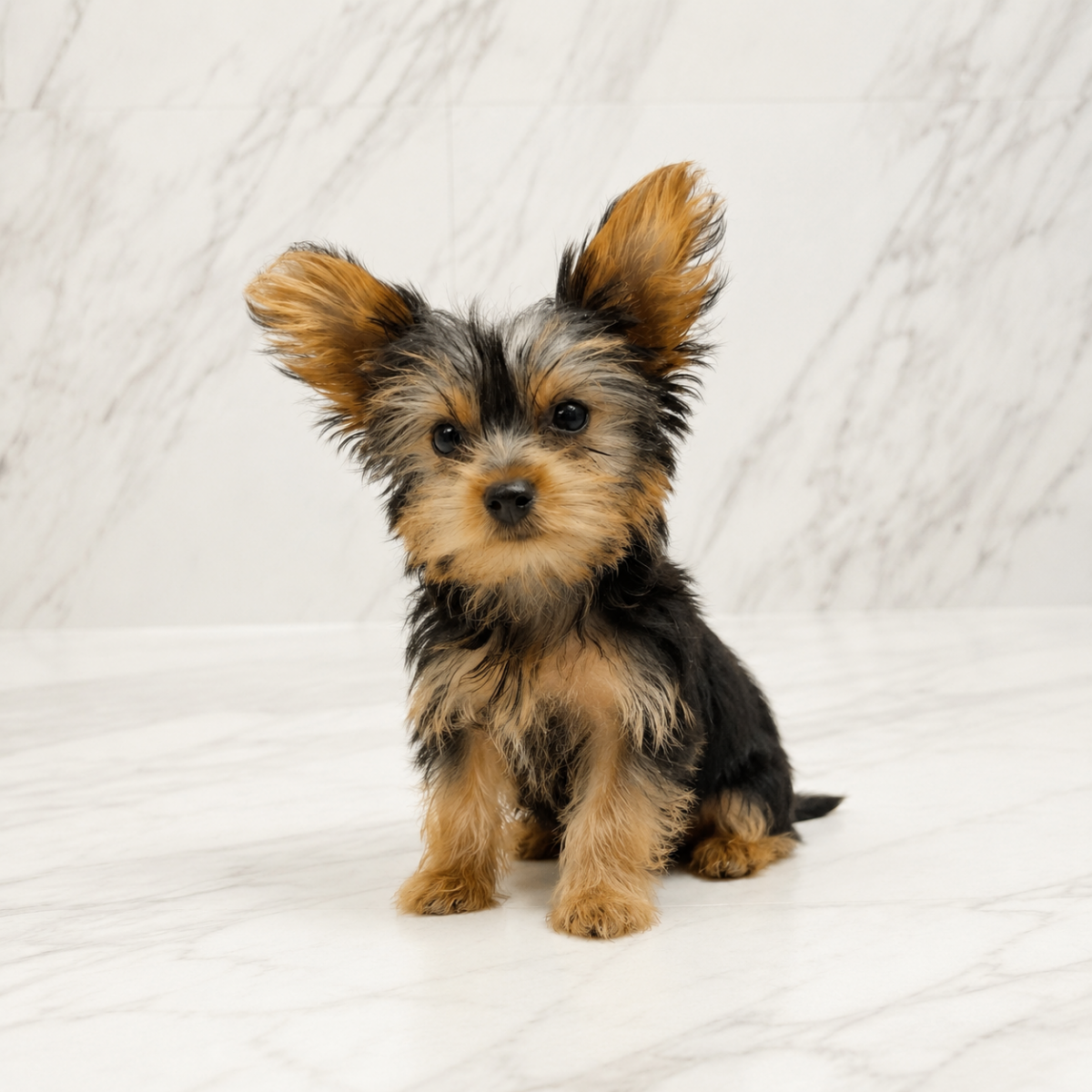
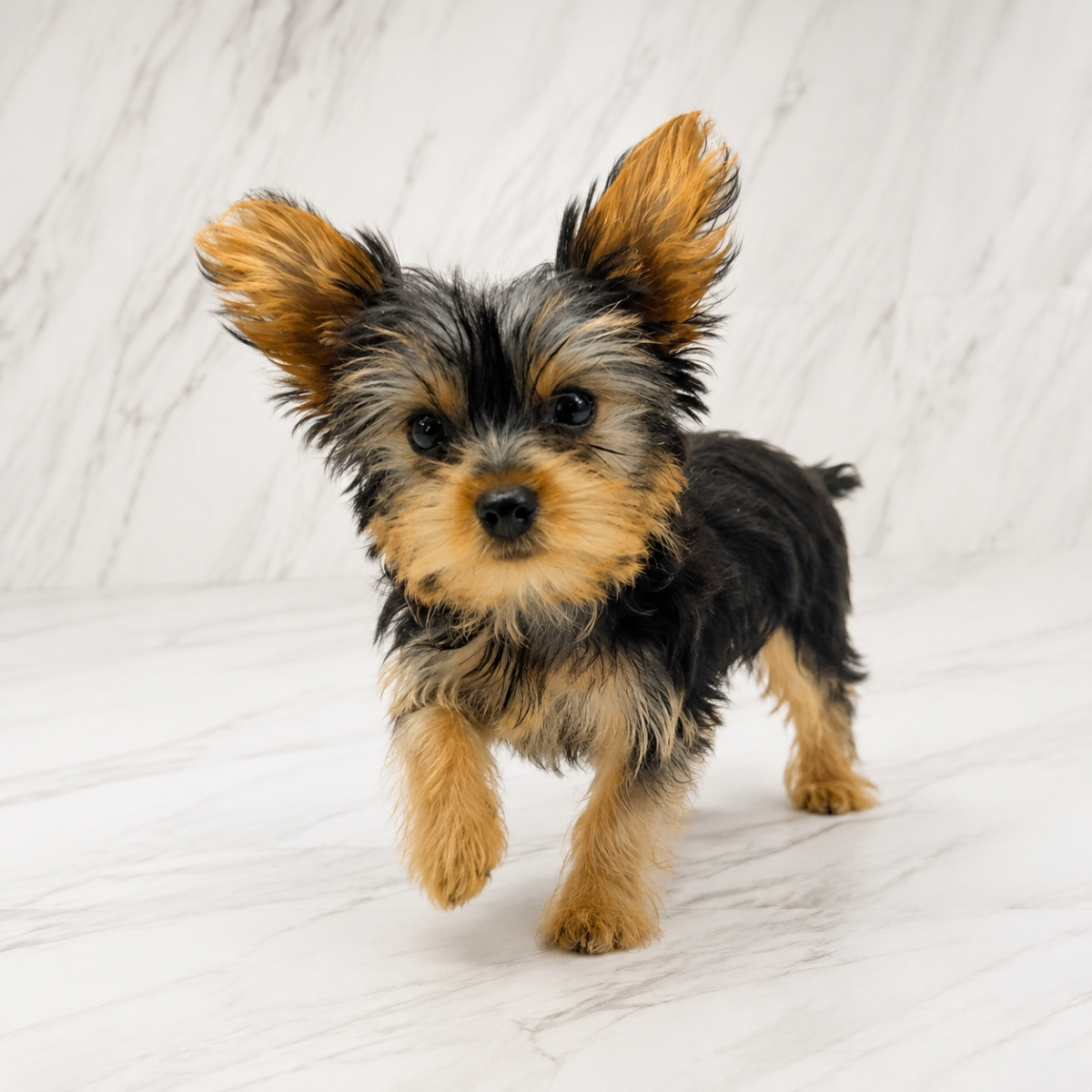
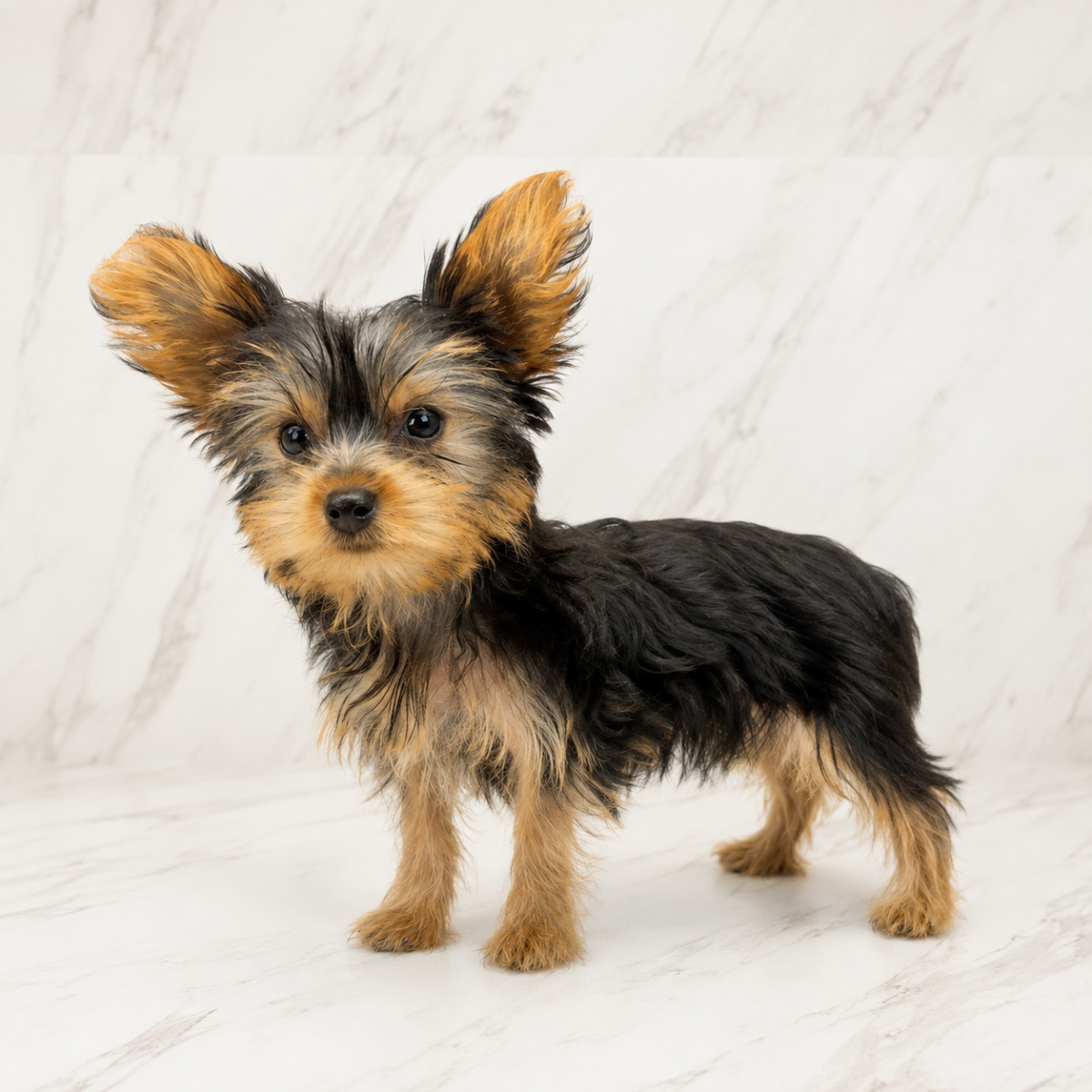
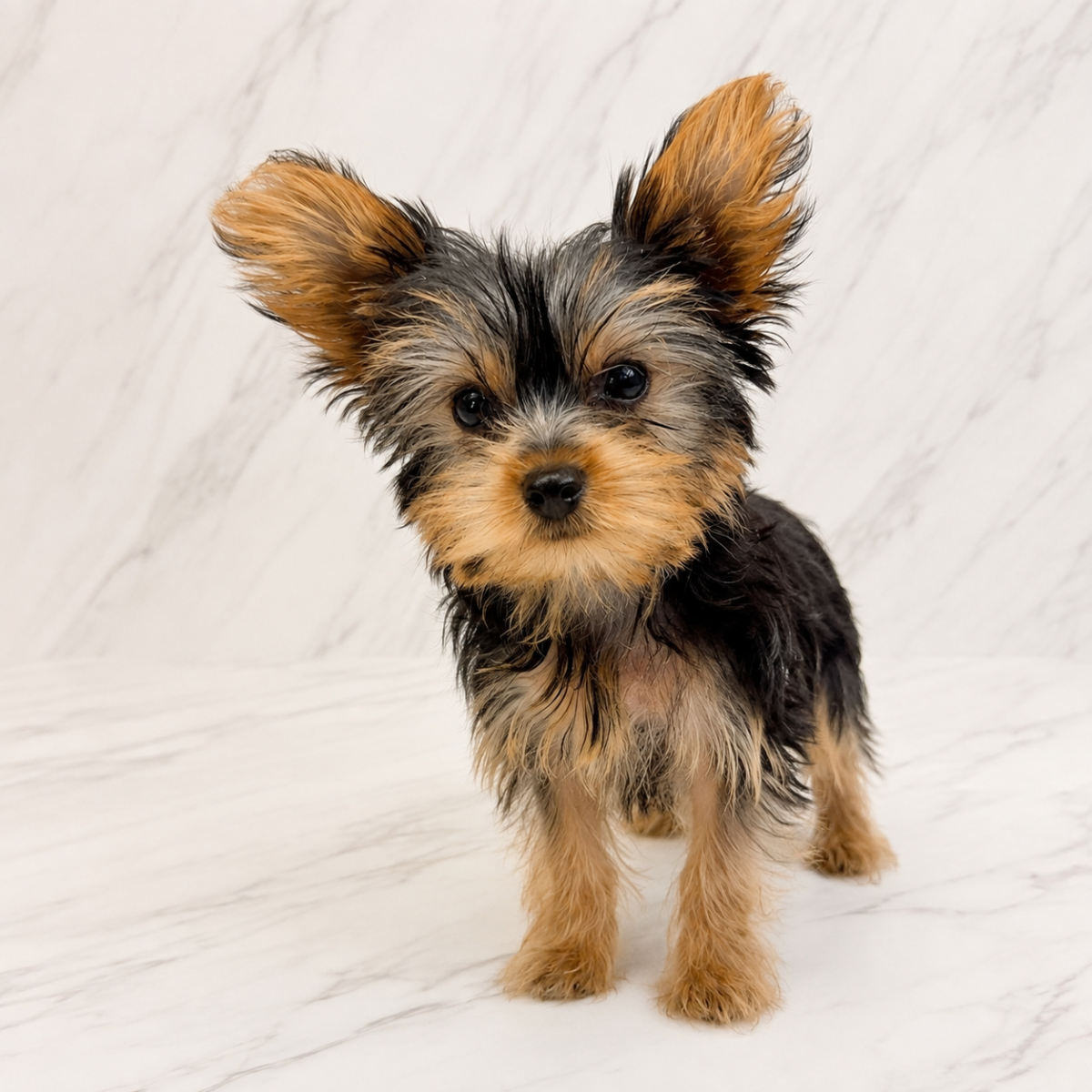
A Tiny Teacup Yorkie Puppy is a miniature Yorkshire Terrier known for its adorable appearance, silky coat, and affectionate personality. These tiny dogs attract attention with their small size, bright eyes, and playful nature. Their charming personalities make them appealing companions for people who enjoy spending time with small, loving dogs.
Although often called Teacup Yorkies, these puppies are not a separate officially recognized breed. They are exceptionally small Yorkshire Terriers.
Appearance and Personality
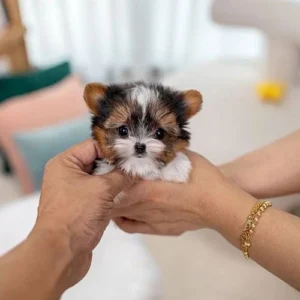
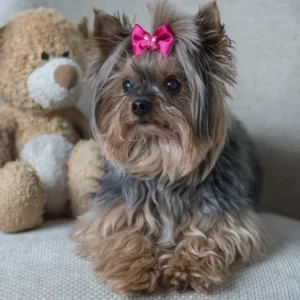
Tiny Teacup Yorkie Puppies typically have a compact body, a silky coat, and a confident expression. Their coats commonly feature the traditional Yorkshire Terrier colors of black and tan, which may gradually change as they mature.
Despite their tiny size, Yorkies are known for their energetic, curious, and courageous personalities. They enjoy human companionship and can form strong bonds with their families. They may also be alert and vocal when they notice unfamiliar sounds.
Grooming and Daily Care
Regular grooming helps maintain a healthy, beautiful Yorkshire Terrier coat. Daily gentle brushing can prevent tangles, while routine bathing, nail trimming, and dental care support overall hygiene.
Because exceptionally small Yorkies can be delicate, owners should handle them carefully and provide a safe environment. They should be protected from accidental falls, rough play, and situations where they could easily get injured.
Exercise and Training
Tiny Yorkies need regular but gentle exercise. Short walks and supervised indoor play can help them stay active. Positive reinforcement, patience, and consistent routines are useful when teaching basic commands and encouraging good behavior.
Early socialization can also help puppies become more comfortable around people and other pets.
Health and Well-Being
Extremely small Yorkies may face increased health risks, including low blood sugar, fragile bones, dental problems, and difficulty maintaining body temperature. Regular veterinary checkups and appropriate nutrition are especially important. Choose a responsible breeder who prioritizes health rather than unusually small size.
Be the first to review “Lupa – Tiny Teacup Yorkie Puppy Coming Soon”
Related products
Yorkie Puppies

Yorkie Puppies

Yorkie Puppies

Yorkie Puppies

Yorkie Puppies
Yorkie Puppies

Yorkie Puppies


Yorkie Puppies
Reviews
There are no reviews yet.